Curtain Cleaning in Your Home: Fresh, Healthy, and Long-Lasting Results
Curtains do far more than frame your windows. They soften natural light, add warmth to interiors, improve privacy, and contribute to the overall mood of a room. Yet because they hang quietly in the background, they are often overlooked during routine cleaning. Over time, dust, allergens, cooking residue, pet hair, smoke particles, and moisture can build up on fabric surfaces. That is why curtain cleaning matters so much for both appearance and indoor air quality.
If your curtains have started to look dull, smell stale, or trigger allergies, it may be time to pay closer attention to them. Curtain cleaning in your home is not just about keeping fabrics looking nice; it is about extending the life of your window treatments and supporting a cleaner living environment. Whether you have sheer drapes, blackout curtains, velvet panels, or custom-made fabric window coverings, the right cleaning approach can make a noticeable difference.
In this article, we will look at why curtain cleaning is important, how different materials should be handled, what methods work best, and when professional help is worth considering. You will also find practical tips for maintaining fresh curtains between deep cleans, plus signs that tell you your fabric needs immediate care.
Why Curtain Cleaning Matters More Than You Think

Curtains are exposed to more daily contamination than many people realize. Every time a window is opened, airborne dust and pollen can settle into the fibers. In kitchens, fabrics may absorb grease and odors. In living rooms and bedrooms, curtains can trap pet dander, smoke, and general indoor pollutants. Because of this constant exposure, regular curtain cleaning should be part of a practical home care routine.
A major benefit of cleaning curtains is improved indoor air quality. Fabrics act like filters, holding onto particles that would otherwise float through the room. When those particles accumulate, they can become a problem for people with asthma, allergies, or sensitivities. Clean curtains help reduce irritants and create a fresher environment.
Another advantage is the preservation of fabric appearance. Dust and grime can make colors appear faded and textures feel rough. Regular curtain cleaning helps maintain brightness, softness, and drape. It can also prevent long-term damage caused by buildup, sunlight exposure, and moisture-related staining.
Understanding Different Curtain Fabrics

Not all curtains are made from the same material, which means not every curtain cleaning method is suitable for every set. Before washing anything, it is important to identify the fabric type and check care labels. Some materials are durable and machine washable, while others require delicate handling or professional dry cleaning.
Cotton curtains are among the easiest to clean and are often machine washable, depending on the lining and construction. Linen offers a natural look but can wrinkle easily, so it needs careful treatment. Polyester is common, practical, and generally low maintenance. Meanwhile, silk, velvet, and lined drapes usually need more specialized attention because water and heat can alter their shape or texture.
If the curtains are blackout, thermal, embroidered, or heavily pleated, cleaning becomes more nuanced. These designs may have adhesive backings, foam layers, or decorative elements that can be damaged by aggressive washing. A thoughtful curtain cleaning approach begins with fabric identification, not guesswork.
Common Curtain Materials and Their Cleaning Needs
Here is a simple breakdown of how curtain cleaning typically varies by fabric:
- Cotton: Often machine washable, but may shrink if exposed to hot water or high heat.
- Polyester: Durable and easy to maintain, usually safe for gentle machine washing.
- Linen: Best cleaned carefully to preserve texture and reduce wrinkling.
- Silk: Requires delicate handling and is often best left to professional care.
- Velvet: Needs specialized cleaning to protect pile and shape.
- Blackout curtains: Must be cleaned with attention to lining and coating integrity.
When in doubt, test a hidden area first or choose a professional curtain cleaning service. Taking the time to understand fabric care can save money and prevent unnecessary damage.
It is also helpful to inspect the curtain hardware before cleaning. Hooks, rings, weights, and trims should be removed or protected to avoid snagging or corrosion. This small step can make curtain cleaning safer and more effective.
Signs Your Curtains Need Cleaning

Sometimes the need for curtain cleaning is obvious, but in many homes the signs appear gradually. If your curtains are changing color near the bottom, collecting visible dust, or releasing odors when moved, they likely need attention. Even when they still look acceptable from a distance, hidden buildup may already be affecting your indoor environment.
One common indicator is increased allergy symptoms indoors. If sneezing, watery eyes, or congestion worsen around certain rooms, fabric surfaces may be part of the issue. Curtains, especially in bedrooms and living rooms, can hold onto allergens for months if not cleaned properly.
Another clear sign is smell. Curtains can absorb cooking aromas, dampness, tobacco smoke, and pet odors. A simple freshening may help in the short term, but deep curtain cleaning is often needed to eliminate the source rather than mask it.
Look for these warning signs:
- Dust visible when sunlight hits the fabric
- Faded or uneven coloring
- Odors that linger after airing the room
- Allergy symptoms that improve when away from home
- Stiff or rough fabric texture
- Stains from spills, pets, or moisture
DIY Curtain Cleaning Methods That Work
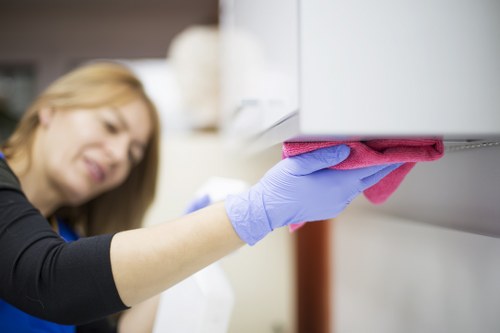
There are several ways to handle curtain cleaning at home, depending on the fabric and the level of dirt. The goal is to remove dust and stains safely without damaging the material. For many households, routine care can be done without taking curtains down more than necessary.
A vacuum cleaner with a brush attachment is one of the simplest tools for maintenance. Gently vacuuming curtains from top to bottom can remove dust, pet hair, and loose debris. This is especially useful for heavy drapes and curtains that are difficult to wash frequently. For delicate fabric, use a low suction setting and place a clean cloth over the nozzle if needed.
Steam cleaning is another option, but it must be used cautiously. Light steaming can help reduce odors and loosen wrinkles, yet certain fabrics may react poorly to heat or moisture. Always check the care label before using this method. Spot cleaning with a mild detergent solution can also work for isolated stains, but it is important to blot rather than rub to prevent spreading or damaging the fibers.
Simple home cleaning steps
- Check the fabric label and trim recommendations.
- Remove dust with a vacuum or soft brush.
- Test a stain remover on a hidden area first.
- Use cool or lukewarm water if washing by hand.
- Allow curtains to air dry naturally when possible.
These methods can help maintain freshness between professional treatments. However, if your curtains are large, delicate, or heavily soiled, professional curtain cleaning may be the better choice.
Machine Washing vs. Hand Washing
Deciding between machine washing and hand washing depends on the material, construction, and manufacturer instructions. In many cases, curtain cleaning at home is easiest when the fabric is labeled machine washable. That said, washing curtains carelessly can lead to shrinkage, creasing, or damage to linings and trims.
Machine washing works well for certain cotton and polyester curtains. Use a gentle cycle, cold water, and mild detergent. It is often best to place the curtains in a mesh laundry bag or wash them separately to reduce friction. Avoid overloading the machine, as bulky fabric needs room to move freely.
Hand washing is often the safer choice for lightweight or delicate fabrics. It gives you more control over the process and reduces stress on the fibers. Fill a tub with cool water, add a small amount of detergent, and move the fabric gently through the water. Rinse thoroughly and avoid wringing, which can distort shape and texture.
Important: If your curtains have foam backing, special coatings, or intricate detailing, washing methods should be selected carefully. In these cases, a professional curtain cleaning service may protect the investment better than DIY cleaning.
Professional Curtain Cleaning: When It Is Worth It
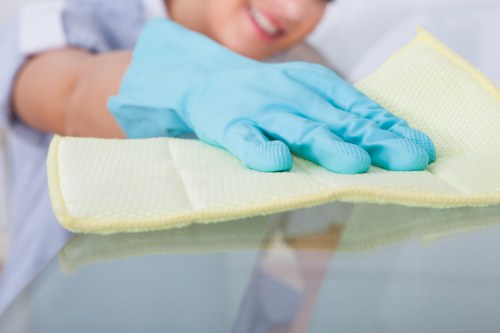
There are times when professional curtain cleaning is the smartest and safest option. This is especially true for expensive fabrics, oversized panels, heavy drapery, or curtains that cannot be easily removed from their tracks. Professional cleaners use specialized equipment and fabric-safe treatments designed to clean deeply without unnecessary risk.
One major advantage of professional service is convenience. Removing, cleaning, and rehanging curtains can take a lot of time, particularly in homes with multiple rooms. A professional service can simplify the process while delivering consistent results. In addition, experts can assess fabric type, stain complexity, and odor issues more accurately than a general cleaning approach.
Professional curtain cleaning is also valuable for smoke damage, water stains, mold concerns, or severe buildup. Some stains and smells are difficult to remove with household products alone. In those situations, expert treatment may restore the curtains more effectively and help extend their lifespan.
Professional cleaning is often best for:
- Silk, velvet, and other delicate textiles
- Blackout and thermal curtains
- Large or custom-made drapes
- Stubborn stains or lingering odors
- Homes with allergy concerns or pet hair buildup
How Often Should Curtains Be Cleaned?
The ideal frequency for curtain cleaning depends on the room, the fabric, and the household environment. As a general rule, lightweight curtains should be dusted or vacuumed every few weeks and deep cleaned every few months if they are in active use. In low-traffic rooms, a less frequent schedule may be enough. In high-use spaces, more regular attention is necessary.
Kitchen curtains may need cleaning more often because they are exposed to grease and food odors. Bedroom curtains should be kept fresh to support better sleep and reduce allergens. Living room curtains can accumulate dust quickly due to daily use and sunlight exposure. If there are pets or smokers in the home, more frequent curtain cleaning is usually beneficial.
A practical routine might include light maintenance monthly and deep cleaning two to four times per year. However, this schedule is flexible. The best timing is based on visible buildup, fabric type, and household needs. Consistency matters more than waiting for curtains to become visibly dirty.
Suggested cleaning rhythm:
- Monthly: Dusting or vacuuming
- Every 3 to 6 months: Deep cleaning for most fabrics
- As needed: Spot treatment for stains or spills
- Seasonally: Freshening curtains during home reset routines
Stain Removal Tips for Curtains
Stains can happen quickly, especially in homes with children, pets, or heavy activity near windows. Effective curtain cleaning starts with fast action. The sooner a stain is treated, the better the chances of lifting it without leaving a permanent mark. Always blot gently and avoid aggressive rubbing, which can push the stain deeper into the fibers.
For food or beverage marks, a mild detergent and cool water solution is often enough for fresh spills. For grease, a fabric-safe spot cleaner may help, but it should be used carefully on colored or delicate textiles. For mildew, proper ventilation and a suitable anti-fungal treatment may be needed, though severe cases may call for professional help.
Before using any cleaning product, read the label and test it on a hidden seam. Some curtain fabrics are sensitive to bleach, strong solvents, or overly wet treatments. When handled properly, stain removal can restore the look of curtains without compromising their structure.
Tip: Always dry curtains fully after stain treatment to prevent water rings, odor retention, or mold growth.
How to Keep Curtains Cleaner for Longer
Once your curtains are clean, a few smart habits can help keep them that way. Preventive care reduces the amount of deep cleaning required and helps fabrics maintain their appearance over time. Small adjustments to household routines can make a big difference in the long run.
Start by keeping windows and nearby surfaces clean. Dust that settles on frames, sills, and blinds often transfers to curtains. Vacuuming floors regularly can also reduce airborne particles that stick to fabric. In high-moisture rooms, good ventilation is important because damp conditions can encourage mildew or musty odors.
It also helps to avoid touching curtains unnecessarily. Oils from hands can leave marks over time, especially on lighter or more delicate materials. If curtains are frequently adjusted, consider tiebacks or holdbacks to reduce direct handling. This not only supports cleaner fabric but also improves the overall look of the room.
Helpful maintenance habits
- Vacuum curtains gently on a regular schedule
- Open windows when weather allows for fresh air circulation
- Keep pets away from hanging fabric when possible
- Clean nearby surfaces and floors routinely
- Address spills or stains immediately
Why Curtain Cleaning Improves the Whole Room
Clean curtains can transform the atmosphere of a room in a subtle but powerful way. Fresh fabric reflects light better, feels lighter visually, and helps the entire space look more polished. Even if other decor remains unchanged, the room may appear brighter and more inviting after proper curtain cleaning.
There is also a psychological benefit. A cleaner environment often feels calmer and more organized. Curtains occupy a large vertical surface, so when they are dusty or dingy, the whole room can feel neglected. Clean window treatments help reinforce a sense of care and comfort throughout the home.
From a practical point of view, maintaining curtains can also protect your investment. Quality drapes and custom window coverings are not inexpensive. Regular curtain cleaning helps preserve color, shape, and structure, reducing the need for early replacement. In that sense, it is both a visual improvement and a cost-saving habit.
In short: curtain cleaning supports better air quality, better style, and better long-term fabric care.
Choosing the Right Curtain Cleaning Approach
There is no single best method for every curtain in every home. The right approach depends on the fabric, the level of dirt, the curtain design, and how much time you want to spend. Some curtains only need regular vacuuming and occasional wash cycles. Others benefit more from careful hand washing or expert treatment. What matters most is matching the method to the material.
Before starting, take a moment to read the care label, inspect for damage, and consider the fabric’s sensitivity to water, heat, and agitation. If the curtains are valuable or hard to replace, erring on the side of caution is wise. A little preparation can prevent costly mistakes.
Whether you choose DIY cleaning or professional service, the goal remains the same: fresh, attractive, and long-lasting curtains that support a healthier home. When handled properly, curtain cleaning is a simple habit with lasting benefits. Book your service now if your curtains need expert attention, or start with a gentle maintenance routine today.
Contact us today to take the next step toward cleaner, fresher window coverings and a more welcoming home environment.