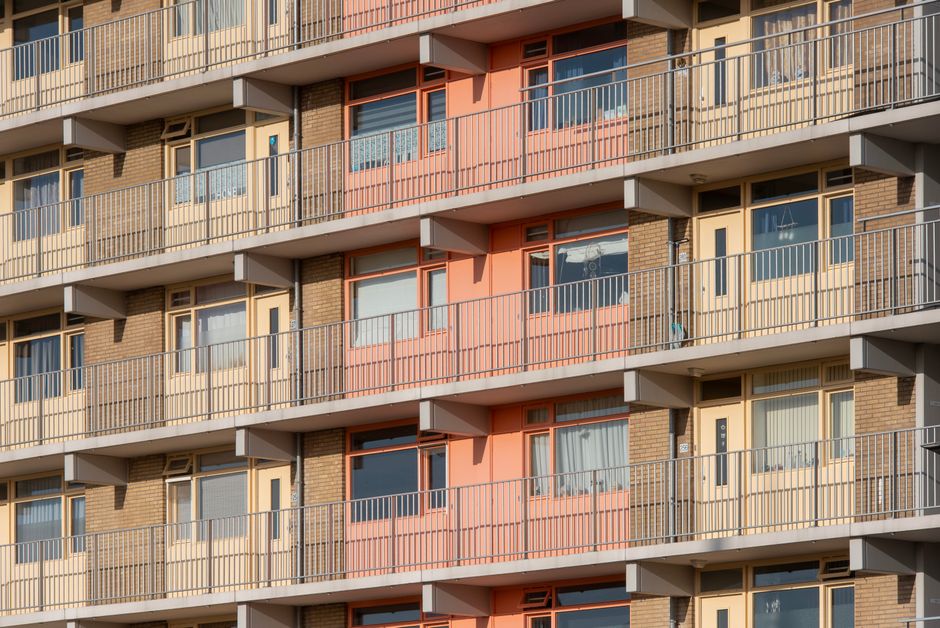
Real cost of deep cleaning a Holland Park flat in 2026
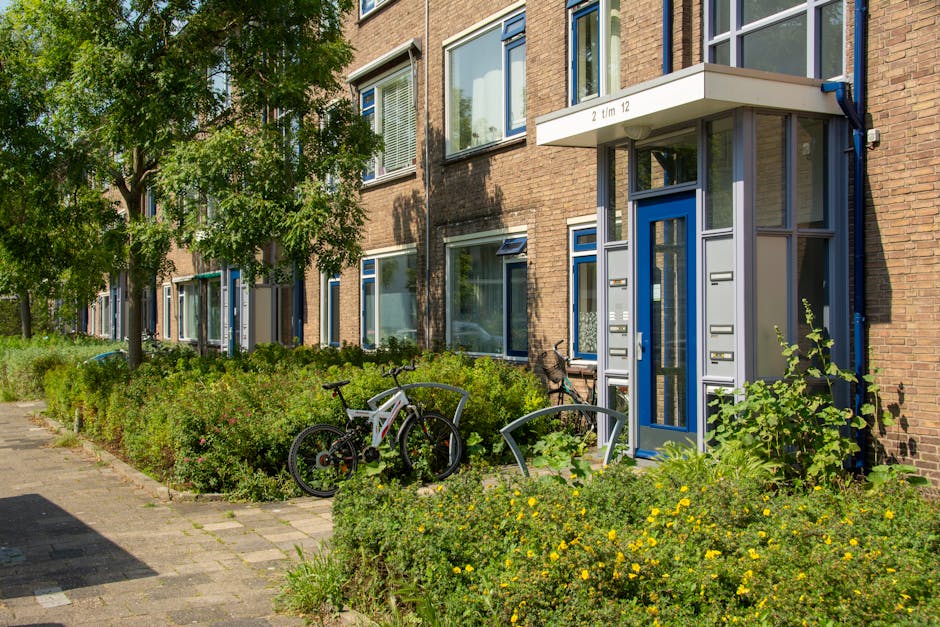
If you are trying to work out the real cost of deep cleaning a Holland Park flat in 2026, you are not alone. Prices can look straightforward on a website, then shift once access, size, fabric care, parking, or extra build-up get mentioned. That is where most people get caught out. The headline number is only part of the story.
In a place like Holland Park, flats vary a lot too. One home might be a compact one-bed with decent upkeep; another might be a larger period conversion with high ceilings, fitted carpet, upholstery, and a hallway that somehow collects all the dust in west London. This guide breaks down what really drives the price, what you should expect from a proper deep clean, and how to judge whether a quote is fair or quietly inflated.
You will also find practical tips, a comparison table, a real-world example, and a checklist you can use before booking. No fluff, no mystery. Just the sort of detail that helps you make a sensible decision without feeling rushed.
Why Real cost of deep cleaning a Holland Park flat in 2026 Matters
The real cost matters because "deep cleaning" is one of those phrases that can mean very different things to different providers. For one company, it may mean a thorough kitchen, bathroom, and floors. For another, it includes skirting boards, inside cabinets, appliance exteriors, fixtures, spot treatment, and fabric refresh. Same label, very different workload. And yes, very different bill.
In Holland Park, cost also reflects the practical reality of the area. Access can be awkward in some buildings, parking may be limited, and older flats often need more delicate cleaning around woodwork, stone, and soft furnishings. A quote that ignores those details may look attractive at first glance, but it can become expensive later through add-ons or time-based overrun.
Truth be told, the real cost is not just about money. It is also about expectations. Are you cleaning before a move-out inspection? Preparing for guests? Resetting a rental flat after months of use? Each scenario has a different standard of finish, and that changes how much time and product are needed.
For landlords and tenants especially, there is a practical edge here. If you are trying to avoid disputes, a proper deep clean can save far more than it costs. If you are a homeowner, it can protect finishes and make a flat feel genuinely reset, not just surface-cleaned. That matters when the place already has a certain sheen to it, as many Holland Park properties do.
If you want to understand what a cleaner may include beyond the basics, it can help to look at related services such as carpet cleaning or upholstery cleaning, because many deep-clean jobs in flats involve more than one surface type.
How Real cost of deep cleaning a Holland Park flat in 2026 Works
A deep clean is usually priced around time, size, condition, and scope. In simple terms, the cleaner needs to estimate how long the job will take, what specialist products or equipment are required, and whether the flat throws up any complications. That might sound dry, but it is really the whole story.
Most providers will look at the following before giving a number:
- number of bedrooms and bathrooms
- total floor area and layout
- level of dirt, grease, limescale, or dust
- whether the property is furnished or empty
- access issues such as stairs, lifts, or parking restrictions
- extra tasks like appliance cleaning, internal windows, or upholstery treatment
- preferred cleaning standard, for example end-of-tenancy or pre-sale presentation
There are usually two ways pricing works. Some firms use a fixed rate for a standard flat size, then add extras. Others price by estimated labour time. Fixed pricing can be comforting, but only if the inclusions are properly defined. Time-based pricing can be fairer for unusual layouts, but you need a clear explanation of what "deep clean" means in practice.
For a Holland Park flat, the practical cost often rises because the job is rarely just a wipe-and-go. Period features, high ceilings, valuable finishes, and busy communal access can all slow things down. You do not want a rushed clean in a home with marble sills or tired grout that needs real attention. That is a false economy.
As a rough planning rule, the cleaner the flat and the easier the access, the more competitive the price tends to be. The more neglected the surfaces, the more time-intensive it gets. Obvious, yes, but people still miss it when comparing quotes side by side.
Key Benefits and Practical Advantages
A good deep clean is not just about making things look tidy for an afternoon. The practical value is broader than that.
- Better presentation: Rooms feel brighter, fresher, and more usable straight away.
- Cleaner touchpoints: Kitchens, bathrooms, handles, switches, and floors get the attention that day-to-day cleaning often misses.
- Property protection: Regular deep cleaning can help protect soft furnishings, flooring, and fixtures from long-term build-up.
- Less stress at move-out: If you are leaving a flat, this can reduce the chance of awkward disputes over cleanliness.
- More accurate budgeting: Once you know what affects price, you can compare quotes properly instead of guessing.
There is also a less obvious benefit: a cleaner flat makes any maintenance issue easier to spot. Water marks, damp patches, cracked grout, and worn fabric are easier to notice once the clutter and surface grime are removed. That can be genuinely useful if you manage a rental or are preparing to sell.
In a neighbourhood like Holland Park, where properties often have character as well as age, the difference between a basic clean and a proper deep clean is easy to see. The skirting boards stop shouting at you. The room feels calmer. Small thing, maybe. But real.
Who This Is For and When It Makes Sense
This kind of service makes sense for a few very different people, and each one is judging value through a slightly different lens.
Tenants usually want to avoid deposit issues. If you are moving out, a deep clean can be worth the cost when the flat has stubborn bathroom marks, kitchen grease, or carpet wear that will not disappear with a quick tidy. The point is to leave the place at a standard that feels fair, not perfection for its own sake.
Landlords and letting agents often need a reliable reset between occupiers. The priority is consistency. The flat should look presentable, smell clean, and be ready for photos, viewings, or check-in day without last-minute panic.
Homeowners may book a deep clean before hosting, after a renovation, or simply because life has been busy and the flat needs a proper reset. Let's face it, even the best-kept homes collect hidden dust in places you only notice when sunlight hits the room at 4pm.
Buyers and sellers also benefit, especially if the property is being photographed or shown to viewers. Clean windows, polished fixtures, and fresh flooring can influence first impressions more than people like to admit.
If the job involves more than hard surfaces, you might also consider related treatments like sofa cleaning or mattress cleaning, especially where a flat has been lived in for a while and soft furnishings have absorbed odours or dust.
Step-by-Step Guidance
If you want a fair quote and a better outcome, the process is simpler than it sounds. A bit of clarity upfront saves a lot of back-and-forth later.
- Define the scope. Decide what you actually want cleaned. Kitchen only? Full flat? Bedrooms, bathrooms, appliances, internal glass, skirting, and upholstery?
- List the problem areas. Be specific. Grease by the hob, limescale in the shower, pet hair on upholstery, heavy traffic on hall carpet, marks on walls. That sort of thing.
- Check access. Note stairs, lift size, parking options, concierge rules, or entry windows. In Holland Park, access can be the quiet little detail that changes timing more than anything else.
- Ask for inclusions in writing. A decent quote should say what is included and what is extra. If it is vague, ask for a breakdown.
- Compare like with like. Two quotes only make sense if both include the same rooms, the same tasks, and the same level of detail.
- Prepare the flat slightly. Remove obvious clutter, open access to cupboards if needed, and make sure valuables are stored safely.
- Inspect after completion. Walk through the property while the cleaner is still there if possible. It is much easier to resolve missed spots on the day.
A simple example: a two-bedroom flat with light dust and standard kitchen grime may only need one visit, but the same flat after a long tenancy with stained carpet and heavy bathroom build-up may need a broader deep-clean package. Same address, very different effort. That is where pricing becomes honest or, well, not.
Expert Tips for Better Results
There are a few things experienced clients do that make the whole job smoother and often better value.
First, be frank about the condition. It is tempting to downplay the mess because nobody likes to admit the oven looks a bit sorry for itself. But hidden issues create surprise charges later. Better to name them upfront.
Second, ask what equipment is used. Steam, extraction, specialist descalers, and fabric-safe products all have different uses. You do not need a technical lecture, just enough to know the team is equipped for the job.
Third, think in zones. Kitchens and bathrooms usually cost more effort than bedrooms because grease, limescale, and residue are tougher to remove. If budget is tight, prioritise the rooms that matter most.
Fourth, do not obsess over the cheapest price. If one quote is wildly lower, there is usually a reason. Sometimes it is efficiency. Sometimes it is a stripped-back scope. Sometimes it is wishful thinking. You know how that ends.
Fifth, book with timing in mind. If you need the place ready for viewings on a Friday morning, don't leave the cleaning until Thursday evening. Time pressure makes everyone grumpy, and results can suffer.
A small practical insight: in older flats, dusty corners and fine debris often show up again after a couple of hours, especially if windows have been open or radiators have shifted air around. A proper cleaner knows this and finishes by re-checking the obvious spots. That little second pass matters.
Common Mistakes to Avoid
The most common mistake is assuming that all deep cleans are the same. They are not. One provider may include interior cupboard wipe-downs, extractor hood attention, and detailed bathroom descaling. Another may not. If you do not ask, you may not find out until the invoice lands.
Another mistake is failing to mention access problems. A flat on an upper floor with narrow stairs, restricted parking, or awkward entry times can increase labour time. It is not a trick; it is simply logistics. But if nobody mentions it, the quote may shift later.
People also forget to say whether the flat is furnished. Furnished homes usually take longer because cleaners have to work around items, lift objects carefully, and deal with more surface variation. Empty flats are often faster, but not always. A bare flat can still hide plenty of dust.
Here are a few other pitfalls:
- not separating standard cleaning from stain removal
- assuming appliance interiors are included
- forgetting about upholstery, rugs, or curtains
- not checking what "deep clean" excludes
- booking at the last minute and accepting a poor fit
And one more, quietly expensive: not asking whether there are extra charges for unusual build-up. Grease, pet odour, nicotine residue, and heavy limescale often require special treatment. If you know these issues exist, say so. Everyone saves time.
Tools, Resources and Recommendations
You do not need to become a cleaning expert to make a smarter choice, but a few tools and reference points help.
Use a room-by-room list. It sounds basic because it is, and basic works. Write down each room, the surfaces to be cleaned, and any obvious problem spots.
Take photos before you ask for quotes. A couple of clear pictures of the kitchen, bathroom, carpets, and any stain or damage helps a provider judge the work more accurately.
Keep the booking notes. If a cleaner gives you a written scope or estimate, save it. That way there is no confusion later about what was promised.
Read the company policies. A professional business should be clear about pricing, insurance, safety, complaints, and payments. You can usually review pages like pricing and quotes, insurance and safety, and payment and security to understand how a provider handles the practical side.
Check service-specific options. If you need only certain areas treated, look at individual services such as stain removal, pet stain and odour removal, or rug cleaning rather than assuming one catch-all package will suit the job.
If you want reassurance about the business itself, a quick look at the about us page can also help you understand the company's background and approach. Not exciting, perhaps, but useful.
Law, Compliance, Standards, or Best Practice
Deep cleaning a flat is not usually a heavily regulated activity in the way some trades are, but there are still proper standards to think about. The sensible ones, the everyday ones. Things that protect you, the property, and the people doing the work.
For example, cleaners should use suitable products for the surfaces being treated. Strong chemicals on delicate stone or untreated timber can do damage quickly. A good provider should understand the difference between a robust kitchen degreaser and a fabric-safe upholstery solution. That is not overkill; it is basic competence.
Insurance is another practical point. If someone is working in your flat and something is accidentally damaged, you want to know the business has proper cover in place. That is why asking about insurance is not awkward; it is normal. In fact, it would be stranger not to ask.
Health and safety also matters, especially around wet floors, equipment cables, ventilation, and access routes. If a property has children, pets, fragile furnishings, or confined stairwells, safe working becomes part of the service, not an optional extra. You can read more about the company's approach through its health and safety policy.
There are also practical local considerations around waste handling and responsible disposal. If a cleaner removes waste or packaging, it should be handled properly. For some customers, sustainability matters too, especially in a neighbourhood where people pay attention to quality and the wider environment. The company's recycling and sustainability page may be useful if that is important to you.
Best practice, in short, means clear quoting, careful product choice, safe working, and honest communication. Nothing flashy. Just a professional job done properly.
Options, Methods, or Comparison Table
There are several ways to approach deep cleaning, and the cheapest option is not always the best fit. The right choice depends on condition, time, and how polished you want the result to be.
| Option | Best for | Typical strengths | Possible drawbacks |
|---|---|---|---|
| Basic deep clean | Light to moderate build-up | Good value, faster turnaround | May exclude specialist stain work or fabric care |
| Full flat deep clean | Move-in, move-out, or reset cleaning | Broader coverage, more detailed finish | Costs more and takes longer |
| Targeted room clean | Kitchen or bathroom only | Budget-friendly for priority areas | Other rooms may still need attention |
| Add-on treatment | Carpets, upholstery, rugs, pet odours | Addresses specific problems directly | Can raise the total price if multiple extras are needed |
If you are weighing up whether to combine services, a flat with carpet wear and a tired sofa may benefit from a combined approach. That can be more efficient than booking separate visits later, especially when access is awkward. A cleaner can sometimes sequence the work so wet treatments, drying time, and general cleaning all fit together neatly. Sounds simple. Often it is, once planned properly.
Case Study or Real-World Example
Here is a realistic example based on the kind of booking people often ask about in Holland Park.
A two-bedroom flat with one bathroom had been lived in for several years. The kitchen had light grease around the hob and extractor area, the bathroom had limescale around fittings, and the lounge carpet had traffic marks near the sofa and doorway. The owner wanted the flat ready for new tenants, but not over-serviced. No major repairs, just a solid reset.
At first glance, the job sounded like a standard deep clean. On inspection, it turned out that:
- the kitchen needed more time than expected because of residue near the cabinets
- the bathroom required focused descaling
- the carpet needed targeted treatment in the main walkways
- there was limited parking, so the team had to plan equipment loading carefully
The result was a better quote from the start once the scope was clear, rather than a surprise add-on later. The owner got a cleaner, better-presented flat, and the cleaner avoided underpricing the job. That is the ideal outcome, really. Honest scope, realistic price, no drama.
What this example shows is simple: the real cost of deep cleaning a Holland Park flat in 2026 is less about a postcode premium and more about detail. The postcode matters because access, property type, and presentation expectations matter. But the actual price comes from the work involved, not just the address.
Practical Checklist
Use this before you book. It will save you time and probably a bit of money too.
- Decide whether you need a full flat clean or selected rooms only
- List any stains, odours, or problem areas
- Note the number of bedrooms, bathrooms, and reception rooms
- Confirm whether the property is furnished or empty
- Check access, parking, lift availability, and entry restrictions
- Ask what is included in the quote
- Ask what counts as an extra
- Check whether carpets, rugs, upholstery, or mattresses are separate services
- Read the terms on insurance, payments, and complaints
- Arrange a convenient time so the flat can be inspected afterwards
If you are unsure about anything, ask before you book. Really. That one habit prevents most misunderstandings.
It can also help to compare the company's service pages to make sure the offering matches your needs, whether that is steam carpet cleaning, curtain cleaning, or a broader property reset.
Conclusion
The real cost of deep cleaning a Holland Park flat in 2026 depends on scope, access, condition, and the level of finish you actually want. That is the honest answer. A one-size-fits-all figure rarely tells the full story, especially in a neighbourhood where flats can range from compact and simple to spacious and detail-heavy.
If you focus on what is included, how the provider handles extras, and whether the quote matches the actual condition of the flat, you will make a much better decision. The best value is not the cheapest line on the page. It is the clean that is done properly, priced clearly, and finished without fuss.
To be fair, that is what most people want anyway. A flat that feels fresh when you walk in, no hidden sting on the invoice, and a job that makes sense from start to finish.
Get a free quote today and see how much you can save.
Frequently Asked Questions
How much does deep cleaning a Holland Park flat usually cost in 2026?
The cost depends on the size of the flat, the condition of the rooms, access, and any extras such as carpet, upholstery, or appliance cleaning. A small, well-kept flat will usually cost less than a larger or heavily used one. The safest way to judge price is to compare quotes based on the same scope.
What is normally included in a deep clean?
Usually, a deep clean covers detailed cleaning of kitchens, bathrooms, floors, surfaces, skirting, fixtures, and common touchpoints. Some providers also include internal cupboards, appliances, or additional detailing, but not always. Always check the written scope so there are no surprises.
Why are Holland Park flats sometimes more expensive to clean?
Not because of the postcode alone, but because the local property mix can involve period layouts, access challenges, restricted parking, and higher presentation expectations. Those practical issues can increase time on site, which affects the cost.
Is deep cleaning worth it before moving out?
Often, yes. If you want to reduce the risk of deposit disputes or leave the flat in a stronger condition for the next occupier, a proper deep clean can be worth the spend. It is especially helpful if the property has kitchen grease, bathroom build-up, or carpet wear.
Do I need to be at the flat during the clean?
Not always, but it can help at the start and end if access is tricky or if you want to review the result in person. Many people prefer to be there for the handover, just to avoid any awkward "I thought that was included" moments.
Are carpets and upholstery included in a flat deep clean?
Usually not automatically. Many companies treat carpets, rugs, sofas, and mattresses as separate services because they need different equipment and drying time. If you need these cleaned, ask for them to be added to the quote.
How can I tell if a quote is fair?
A fair quote should clearly state what is included, what is excluded, and whether there are likely extras. Compare like for like, not just headline figures. If one quote is much lower, check whether it has quietly removed key tasks.
What should I mention before booking?
Mention the size of the flat, whether it is furnished, the condition of the kitchen and bathroom, any stains or odours, parking or access issues, and whether you need any specialist services. The more honest you are upfront, the more accurate the quote will be.
Can deep cleaning help with pet smells or stains?
Yes, but often only if the issue is flagged in advance and treated with the right method. Pet stains and odours can require specific products or additional passes, so it is better to book that as a separate treatment rather than assume a standard deep clean will solve it.
How long does a deep clean take?
It varies widely. A small, tidy flat may take much less time than a larger property with heavy build-up or extra treatments. Access, the number of rooms, and the amount of detail required all affect the schedule. A realistic provider should be able to explain that clearly.
What if my flat has difficult access or no parking?
Tell the cleaner before booking. Difficult access can add time and affect pricing, especially in areas where parking is limited or the property is up several flights of stairs. It is not a problem in itself, but it does need to be planned for.
Should I choose a fixed-price or hourly clean?
Fixed-price cleans are useful when the scope is well defined. Hourly cleans can suit unusual or unpredictable jobs, but they need trust and clear communication. The best option depends on the property and how confident you are about the condition of the flat. If the job is messy or complex, fixed scope is often easier to manage.
What is the best next step if I want an accurate price?
Make a quick list of rooms, condition issues, access details, and any add-on services you need, then request a quote based on that information. If you can include a few photos, even better. It keeps the estimate grounded in the real job, which is exactly what you want.