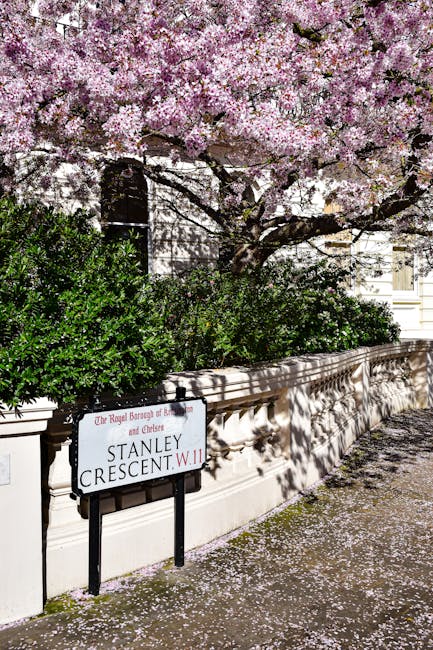
Kensington and Chelsea Council Waste Rules for Carpet Cleaners: What to Do With Waste Water, Lint, Soil and Removed Debris
If you clean carpets in Kensington and Chelsea, waste handling is not something you can leave to guesswork. The council waste rules for carpet cleaners affect how you deal with dirty water, extracted residues, packaging, vacuum waste, and anything else left behind after a job. Get it wrong and you risk complaints, blocked drains, messy van loads, or a very awkward conversation with a customer or landlord. Get it right, and your work feels cleaner, safer, and more professional from start to finish.
This guide breaks down the practical side of Kensington and Chelsea council waste rules for carpet cleaners in plain English. You will see what matters on a real job, how waste handling usually works, which mistakes cause trouble, and how to build a simple, repeatable process that protects your reputation. If you also want to strengthen your wider service standards, it can help to review the company's health and safety approach and recycling and sustainability commitments as part of your day-to-day workflow.
Table of Contents
- Why Kensington and Chelsea council waste rules matter
- How the waste handling process works
- Key benefits and practical advantages
- Who this is for and when it makes sense
- Step-by-step guidance
- Expert tips for better results
- Common mistakes to avoid
- Tools, resources and recommendations
- Law, compliance, standards and best practice
- Options, methods and comparison table
- Case study or real-world example
- Practical checklist
- Conclusion
- Frequently asked questions
Why Kensington and Chelsea Council Waste Rules for Carpet Cleaners Matters
Kensington and Chelsea is a dense, mixed-use part of London. That matters because carpet cleaning waste is rarely handled in isolation. You are often working in flats with shared drainage, basement properties, managed buildings, conservation-area homes, busy commercial units, and places where neighbours notice every smell, splash, and van trip. A small mistake can travel quickly. Not literally far, but far enough.
For carpet cleaners, waste rules are not just about being tidy. They affect whether wastewater can be discharged safely, how solids are separated, whether packaging is handled responsibly, and whether your operation stays aligned with local expectations. A customer in a townhouse may not ask about waste handling, but they do notice if dirty water is left on a path, if a drain smells after you leave, or if sludge appears in a courtyard. Let's face it, nobody wants that memory attached to their brand.
Waste handling also affects trust. Many clients, especially landlords, managing agents, and commercial customers, want reassurance that cleaners are professional and careful. If you can explain what happens to wastewater and residues, you sound prepared rather than improvised. That is a small thing on paper, but in real life it changes how people feel about booking you again.
Practical takeaway: treat waste handling as part of the cleaning service, not as a side issue. The cleaner your process, the easier it is to avoid complaints, delays, and accidental non-compliance.
How Kensington and Chelsea Council Waste Rules for Carpet Cleaners Works
There is no single one-line answer that fits every property, because the right disposal method depends on the type of waste, where the work is happening, and what the building allows. In practice, carpet cleaners usually deal with a few broad categories: extracted wastewater, pre-treatment residues, soil and lint from vacuuming, disposable cloths or pads, packaging, and any hazardous or special materials found during the job.
The basic principle is simple: keep waste separated, controlled, and disposed of lawfully. Dirty water from extraction should not be tipped anywhere convenient just because it is inconvenient to carry. Solids should not be swept into storm drains. And chemical containers should not be tossed into random bins without checking the product guidance and local disposal expectations. A lot of the trouble happens when people rush the end of the job. That final five minutes? Surprisingly important.
For many carpet cleaning jobs, the waste flow looks something like this:
- Vacuum and pre-inspect the carpet to remove loose dry debris.
- Apply the correct pre-treatment for stains or heavy soiling.
- Extract the carpet using the chosen method, such as hot water extraction or steam-based cleaning.
- Collect wastewater and capture solids where possible.
- Dispose of waste using the building's permitted drain access, approved waste procedures, or a suitable off-site disposal route where required.
- Clean the work area, including hoses, pads, tools, and any splashes.
In a domestic flat, waste management may be simpler on the surface but harder in practice because space is limited. In a commercial building, there may be better access to service sinks or approved disposal points, but stricter site rules and compliance expectations. It cuts both ways, really.
If you offer broader textile cleaning, the same logic often applies to sofa cleaning, upholstery cleaning, and rug cleaning. The waste may be different in volume, but the duty of care is the same: manage it properly and leave the property cleaner, not just the fabric.
Key Benefits and Practical Advantages
Following the council waste rules properly does more than keep you out of trouble. It improves the whole service experience. That sounds a bit polished, but it is true. When waste is handled well, the job feels calmer. There are fewer surprises, fewer odours, and fewer awkward explanations to the client.
- Cleaner presentation: Customers see a methodical, professional service rather than a hurried one.
- Lower complaint risk: Less chance of blocked drains, spills, or residue left on-site.
- Better site access: Building managers are more likely to trust contractors who understand waste handling.
- Stronger repeat business: Good waste practice often becomes part of the reason clients rebook.
- More efficient jobs: A planned waste routine saves time at the end of the clean, where people often lose momentum.
There is also a quieter benefit: you make your own work easier. A cleaner van, sorted containers, and a routine for separating waste mean you are not rummaging around at the end of a long day wondering which cloth went where. Been there. Not ideal.
For commercial customers, good waste handling can support broader site procedures, especially where procurement teams ask about environmental care or method statements. If you want to show that wider mindset, a page like commercial carpet cleaning can sit naturally alongside your operational policies and job process.
Who This Is For and When It Makes Sense
This topic matters to anyone cleaning carpets in Kensington and Chelsea, but it is especially relevant if you work in settings where waste streams are visible or managed tightly.
- Independent carpet cleaners who collect wastewater in portable units and need a simple routine.
- Established cleaning companies that manage recurring residential and commercial bookings.
- Property managers and landlords who want to know what happens after a clean, not just during it.
- Hospitality and office clients where cleaning work must fit around site rules and housekeeping standards.
- New cleaners who are still building a compliant method for waste separation and disposal.
It also makes sense whenever you are using water-intensive methods, dealing with heavy soil, or cleaning a property where access is tight. A basement flat with a narrow stairwell and no obvious disposal point is a very different job from a ground-floor office with service access. The waste plan needs to match the site, not the other way round.
If your work sometimes includes other fabric care tasks, it is worth aligning your process with pages such as curtain cleaning and mattress cleaning, because those services can create similar residue, packaging, or disposal considerations.
Step-by-Step Guidance
Here is a practical workflow you can adapt for most carpet cleaning jobs in Kensington and Chelsea. It is not fancy, but it works.
1. Check the site before you start
Look for access to sinks, approved drainage points, waste storage areas, or building-specific instructions. If you are in a managed block, ask who controls disposal access. Do not assume a sink is fair game just because it is there. That is how problems begin.
2. Identify the waste types
Separate the obvious categories early: wastewater, dry debris, packaging, disposable cloths, and any chemical containers. If there is pet contamination or heavy odour work, the waste may require extra care. For that kind of job, many cleaners build a stricter cleaning and containment routine, which is why services like pet stain odour removal often need tighter preparation than routine maintenance cleans.
3. Control water at the source
Use extraction equipment correctly so you are not leaving puddles or carrying open containers through hallways. Keep lids secure. Keep hoses routed neatly. It sounds small, but a messy hose run can create splash points and trip hazards very quickly.
4. Dispose of waste in the right place
Follow the site rules and the appropriate local disposal route for the type of waste. If you are unsure whether wastewater can go into a particular drain or sink, pause and confirm before tipping anything. Guessing is expensive.
5. Clean the route out
Wipe any splashes, rinse tools where suitable, and leave the work area dry enough to be safe. In shared buildings, this is one of those details people notice immediately. The corridor is clear, the smell is neutral, the floor is dry. That is the goal.
6. Record anything unusual
If you encountered contaminated waste, unusual odours, blocked access, or disposal restrictions, make a note for your job record. It helps if a client later asks what happened, and it also gives you a cleaner internal process next time.
Expert Tips for Better Results
Here are the sorts of things that tend to improve waste handling without making the job feel bureaucratic.
- Pre-label your containers. It saves time when the job is busy and reduces the chance of mixing waste streams.
- Carry absorbent materials. Small spill control items are worth their weight in gold when a hose drips in a stairwell.
- Keep a disposal conversation on the estimate. If a building has strict rules, mention that waste handling may affect access, timing, or setup.
- Use low-residue chemistry where appropriate. Less residue usually means easier rinsing and less waste burden later.
- Plan your exit path first. Think about how you will leave the site before you begin extraction. It is just common sense, though somehow it still gets forgotten.
Another useful habit is to separate "wet" and "dry" end-of-job tasks. Clean the carpet first, then deal with the waste containers, then pack away tools. If you swap that order around, you tend to walk wet containers through tidy spaces. Not great.
For customers who ask about method choices, you can explain that steam carpet cleaning and other extraction-based methods can produce different waste volumes depending on the fibre type, soil level, and room layout. The method matters, but the follow-through matters more.
Common Mistakes to Avoid
The biggest errors are usually simple, which is almost annoying because simple errors are the easiest to prevent.
- Assuming every drain is acceptable. Building rules and local expectations are not the same everywhere.
- Leaving dirty water in open containers. That creates spill risk, smell, and a poor impression.
- Mixing waste types. Once chemicals, lint, and water are mixed carelessly, disposal becomes harder.
- Ignoring packaging and chemical containers. These are minor until they are not.
- Forgetting shared-space etiquette. Lifts, halls, and front paths are part of the job environment.
- Not checking property-specific rules. Managed buildings often have their own procedures, and they matter.
One of the sneakiest mistakes is rushing because the carpet itself looks finished. The visible job is done, yes, but the site is not finished until waste is contained and the area is safe. That final check takes less time than dealing with a complaint later.
If your job includes stain-heavy work, especially in family homes or rented flats, a proper stain removal process can reduce the amount of repeat rinsing and waste you generate. The work becomes more controlled, and the finish tends to be better too.
Tools, Resources and Recommendations
You do not need a complicated setup to manage waste well, but a few practical tools make a noticeable difference.
| Tool or resource | Why it helps | Best used for |
|---|---|---|
| Sealable waste containers | Reduces spill risk and makes transport cleaner | Collected wastewater and liquid residues |
| Absorbent pads or cloths | Catches drips before they spread | Stairs, entrances, plant rooms, lift thresholds |
| Pre-job checklist | Keeps disposal steps consistent | Domestic and commercial appointments |
| Job notes or digital records | Helps explain unusual waste issues later | Managed properties, repeat clients, complaint prevention |
| Service terms and safety documents | Sets expectations clearly before work starts | Quotes, commercial contracts, recurring work |
It is also wise to keep your company documentation aligned. Pages like terms and conditions, pricing and quotes, and insurance and safety help show that your business is organised from more than one angle. Waste handling is part of that wider picture.
For businesses that want to make their operations feel more transparent, a thoughtful about us page can also help customers understand how seriously you take site care, safety, and professionalism.
Law, Compliance, Standards, and Best Practice
This is the section where a bit of caution helps. Waste rules can touch council expectations, environmental duties, building regulations, landlord requirements, and product-specific safety guidance. Because of that, it is better to speak in terms of best practice unless you have confirmed the exact rule for the exact waste stream and property type.
In general, carpet cleaners should work on the assumption that waste needs to be:
- kept under control and not allowed to contaminate public or shared areas;
- disposed of only where permitted by the building and applicable local arrangements;
- managed in line with product instructions for cleaning chemicals and detergents;
- transported safely, especially when liquid waste is involved;
- documented where the job, site, or client contract makes that sensible.
Commercial jobs may involve stricter expectations, especially when you are working alongside facilities staff or on managed contracts. Residential work may look simpler, but tenants and managing agents can still raise issues if waste is left poorly handled. A polite, consistent process is your best protection.
Where there is uncertainty, the safest habit is to ask before action. That may sound obvious, but it saves a surprising amount of time. If a client asks how you handle wastewater, give a plain explanation and stick to what you really do. Honest beats fancy. Every time.
Options, Methods, and Comparison Table
Different jobs call for different approaches. The method you choose affects both cleaning results and the amount and type of waste you create.
| Approach | Waste profile | Advantages | Things to watch |
|---|---|---|---|
| Hot water extraction | Produces wastewater that must be handled carefully | Strong cleaning power, good for deep soil | Needs solid control of hoses, drains, and spill prevention |
| Low-moisture cleaning | Less liquid waste, more residue management | Useful in sensitive sites and faster drying situations | May not suit every fibre or soil level |
| Spot and stain treatment only | Small amounts of residue and cloth waste | Good for targeted jobs and maintenance cleans | Not a substitute for a full clean when deep soil is present |
| Commercial periodic clean | Often larger, more varied waste streams | Can be scheduled with building waste procedures in mind | Requires stronger coordination and clearer job planning |
If you mainly work in homes, extraction methods are often the norm, but the site details still decide the waste plan. If you work commercially, planning tends to matter more than the exact tool in your hand. The best operators match method, building access, and disposal route before they start, not after the carpet is already wet.
Case Study or Real-World Example
Picture a typical weekday morning in a Kensington flat. The hallway is narrow, the lift is small, and the client wants the lounge and bedroom cleaned before lunch. The carpet has everyday dust, a few drink marks, and one stubborn patch near the sofa. Nothing dramatic, but enough to need a proper extraction clean.
The cleaner arrives, checks access, and confirms where wastewater can be dealt with. Because the building has shared areas, the hoses are routed carefully and a small absorbent mat is placed near the door. Wastewater is collected in sealed containers and handled in line with the site's agreed procedure. A couple of cloths and used pads are bagged separately. Before leaving, the cleaner wipes the threshold, checks for drips, and gives the client a quick explanation of what was removed and how it was managed.
What does the client remember? Not the technicalities, usually. They remember that the hallway was left dry, the flat smelled fresh rather than chemical-heavy, and nothing awkward was left behind. That kind of finish matters. A lot, actually.
Now compare that with a rushed job: open bucket, loose hose, damp path, no explanation. Same carpet, very different impression.
Practical Checklist
Use this before, during, and after the job to keep waste handling simple and consistent.
- Confirm the property's access and disposal rules before starting.
- Identify where wastewater can be managed safely.
- Separate liquid waste, dry debris, and chemical packaging.
- Keep hoses and containers controlled throughout the clean.
- Prevent drips in hallways, lifts, and shared entrances.
- Clean up all splashes before you leave the site.
- Check that chemical containers and used materials are handled properly.
- Record any unusual contamination, restrictions, or client instructions.
- Make sure the final area is dry, tidy, and safe to walk on.
- Review whether the process can be improved for the next job.
Simple checklist. Big difference.
Conclusion
Kensington and Chelsea council waste rules for carpet cleaners are really about good control: of water, residues, packaging, and the impression you leave behind. In a borough where properties vary so much from one street to the next, the cleaner who thinks ahead tends to run a smoother, calmer business. That means fewer complaints, fewer surprises, and better client confidence.
The core idea is not complicated. Know the site, separate waste properly, follow the property's disposal rules, and leave the area as neat as you found it, or neater. When you build that into every job, waste handling stops feeling like a chore and starts looking like part of professional standards.
If you are reviewing your own process, it may help to look again at your public-facing documents too, including contact details, payment and security, and your general service information. A tidy operation behind the scenes usually shows up in the finished work out front.
Get a free quote today and see how much you can save.
Frequently Asked Questions
What are Kensington and Chelsea council waste rules for carpet cleaners in plain English?
In plain English, they are the local expectations and practical rules that affect how carpet cleaners deal with wastewater, debris, packaging, and contaminated materials. The key is to manage waste safely, avoid mess, and follow building or site rules where they apply.
Can carpet cleaning wastewater go down a normal drain?
Sometimes it may be permitted, but not always, and not in every building setup. You should check the property's rules and only use an appropriate disposal point. Never assume a drain is fine just because it is nearby.
Do I need to separate wet and dry waste on a carpet cleaning job?
Yes, that is a sensible best practice. Wet waste, dry soil, cloths, and containers should be kept separate where possible so they are easier to control, transport, and dispose of properly.
What should I do with dirty water after an extraction clean?
Handle it in line with the site's permitted disposal method and keep it sealed or controlled during transport. The important thing is to avoid spills and make sure the disposal point is appropriate for that waste.
Are there different waste expectations for domestic and commercial carpet cleaning?
Yes. Domestic jobs often involve tighter access and shared hallways, while commercial jobs may involve more formal site procedures and stronger documentation. Both need care, but the workflow can differ quite a bit.
What is the biggest mistake carpet cleaners make with waste?
Rushing the end of the job. People focus on the carpet and then treat waste as an afterthought. That is when spills, smells, and complaints usually happen.
How can I reduce waste on carpet cleaning jobs?
Use the right amount of pre-treatment, choose the most suitable cleaning method, control water use, and plan your disposal route before you start. Good prep usually means less waste and a cleaner finish.
Does waste handling affect customer satisfaction?
Absolutely. Customers may not use technical language, but they notice if the area is left dry, tidy, and free from smells or drips. Clean waste handling makes the whole service feel more professional.
Should I mention waste handling in my quote or service terms?
It can be useful, especially for commercial work or buildings with specific access rules. A short note in your terms or quote helps manage expectations and shows that you take compliance seriously.
What if the building manager gives me specific disposal instructions?
Follow them if they are reasonable and safe. Managed properties often have their own procedures, and it is better to work with them than to improvise. If anything seems unclear, ask before starting.
Do carpet cleaning and upholstery cleaning have the same waste issues?
They overlap, but not completely. Upholstery can produce smaller volumes of wastewater, while carpets often generate more liquid extraction waste. The disposal principles are similar, though, and the same careful mindset applies.
Where can I improve my overall cleaning process alongside waste handling?
Look at the full journey, not just disposal. Your inspection process, method choice, safety documents, and customer communication all matter. If your process feels joined up, waste handling usually becomes much easier too.